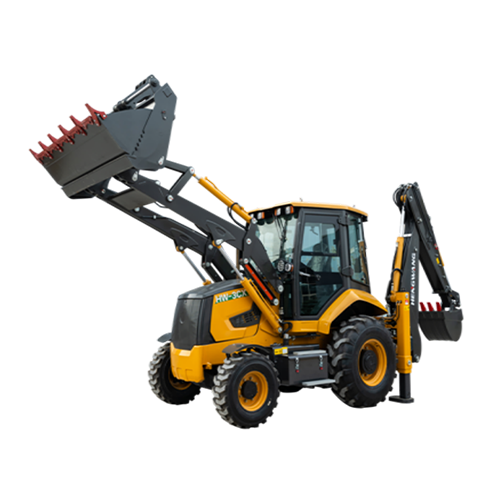
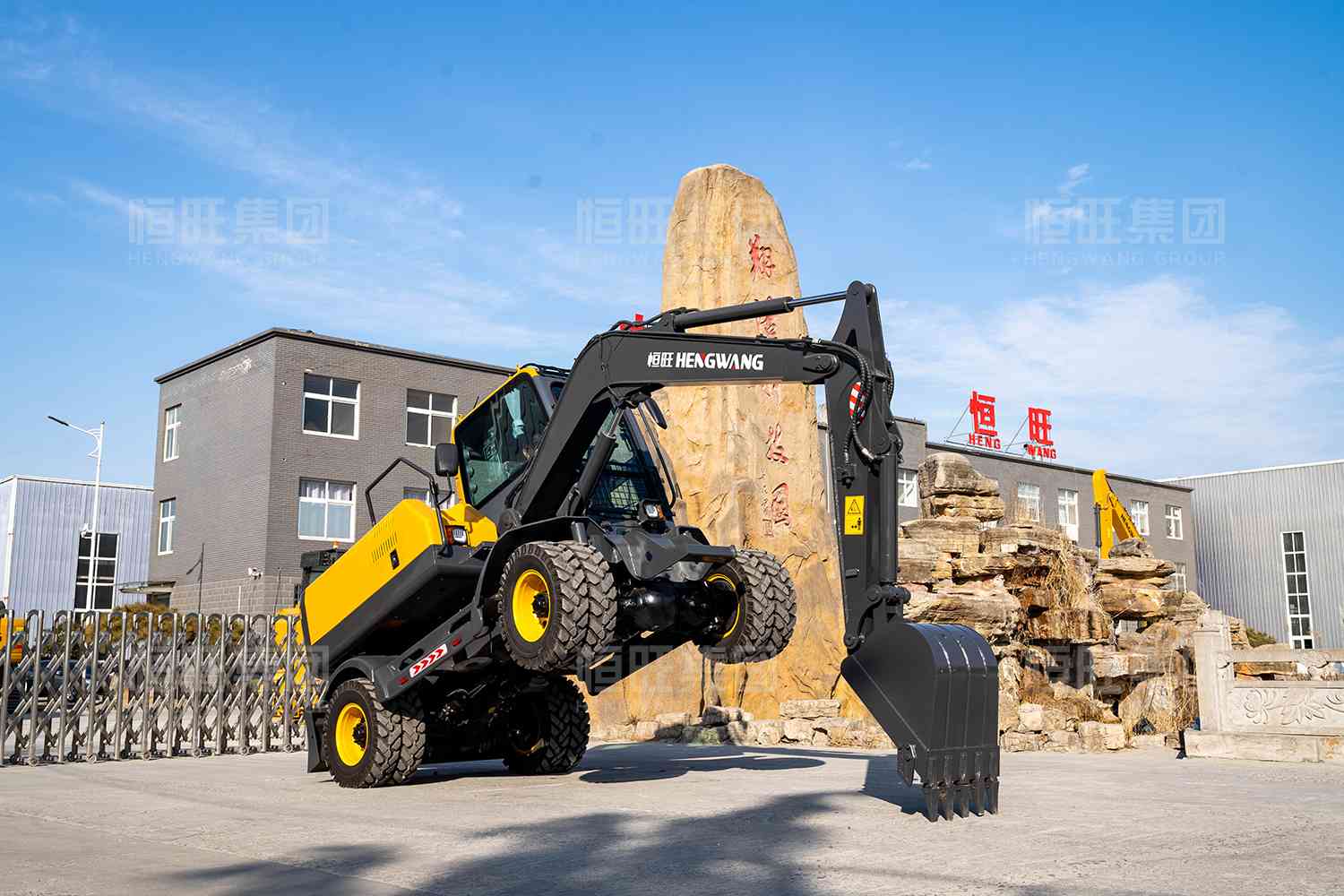
Wheeled excavators (abbreviated as wheel excavators) are widely used in confined spaces due to their compact size and agility. However, speed drop issues can significantly impact operational efficiency. This article by wheel excavator manufacturers analyzes the root causes and consequences of speed reduction, offering actionable solutions.
I. 4 Key Causes of Wheel Excavator Speed Drop
Excessive Solenoid Valve Clearance
Oversized gaps in solenoid valves reduce fuel supply, leading to insufficient engine power and speed drops. Regular adjustment (0.1–0.3mm) is criticalFuel Contamination or Blockage
Degraded fuel or water content: Impurities clog fuel lines, causing incomplete combustion and power loss.
Blocked fuel filters: Replace every 200 hours to ensure clean fuel delivery
Turbocharger Failure
A damaged turbocharger reduces air intake, leading to poor fuel combustion. Symptoms include black smoke and sudden speed drops. Immediate replacement is advisedIncorrect Valve Clearance or Injection Timing
Improper valve gaps or injection timing disrupt combustion efficiency. Use professional tools to calibrate parameters
II. Direct Impacts of Speed Drop
Reduced Productivity
Speed drops prolong task completion times, causing 30%+ delays in large-scale projects.Engine Wear Acceleration
Prolonged low-speed operation increases cylinder liner and piston ring wear, raising maintenance costs by 20–40%Fuel Inefficiency & Emissions
Incomplete combustion raises fuel consumption by 10–15% and triggers emissions violations.Safety Risks
Sudden speed loss on slopes may cause instability or loss of control.
III. Maintenance Recommendations
Fuel Management: Use ISO 8217-compliant diesel; avoid mixing fuel grades.
Filter Replacement: Change air/fuel filters every 500 hours.
Turbocharger Checks: Monitor for leaks or abnormal noise monthly.
System Pressure Tests: Validate hydraulic pressure (18–22 MPa) and adjust relief valves
Conclusion
Speed drop in wheel excavators stems from fuel system failures, turbocharger issues, or combustion inefficiencies. Proactive maintenance and adherence to OEM guidelines can mitigate these problems. For persistent issues, consult certified technicians for diagnostics.